
The Impact of British Horse Racing Not On: A Deep Dive
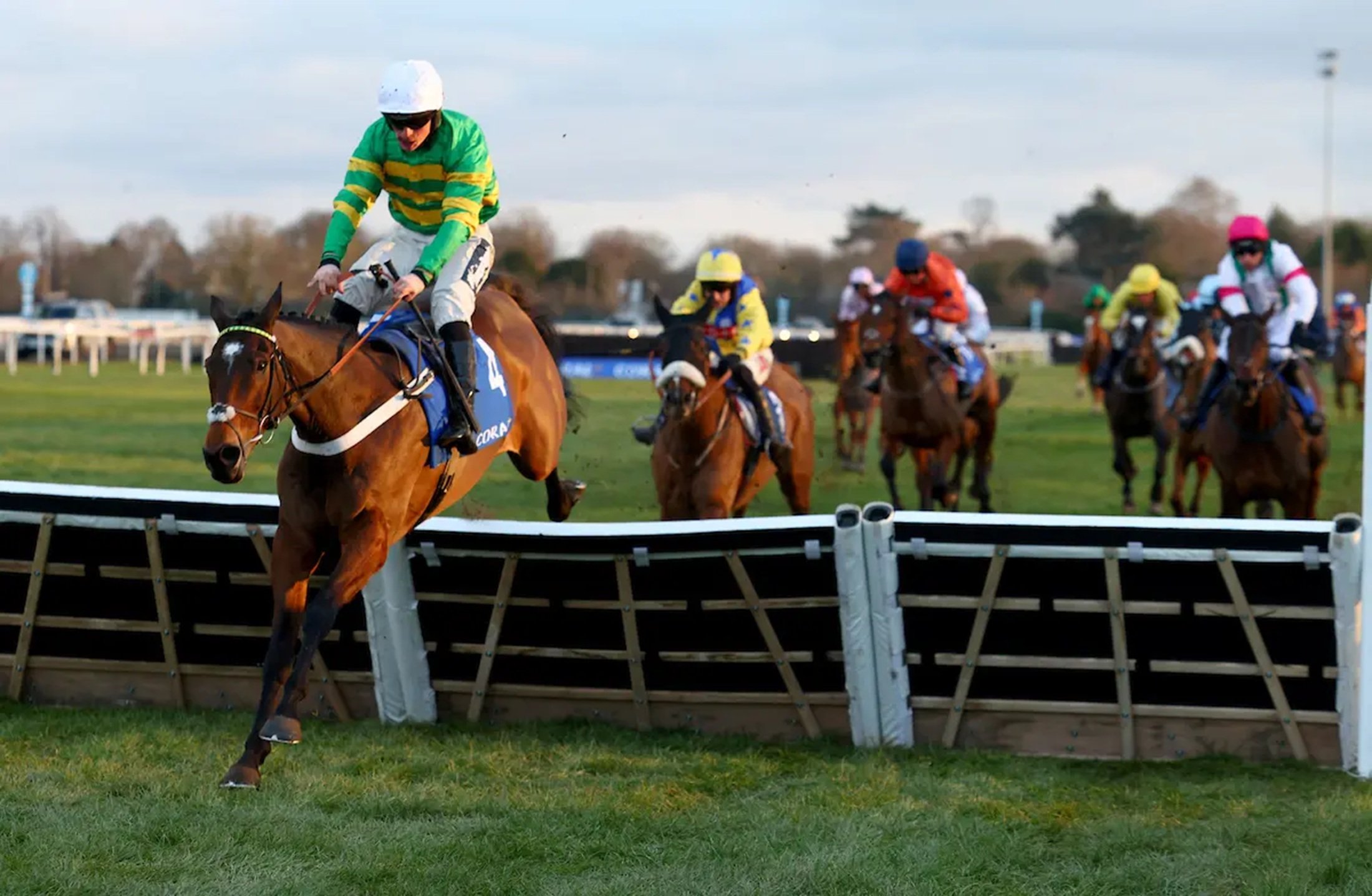
British horse racing is one of the most revered and historic sports in the UK, capturing the imagination of fans and bettors alike. However, there are moments when significant events, races, or even entire seasons are impacted by circumstances that lead to races being not on. This phenomenon can create ripples through the industry, affecting not only the participants but also the betting landscape. When we refer to events or instances of British horse racing not on, we’re discussing various scenarios—from weather disruptions and track conditions to administrative decisions and safety concerns. Moreover, for those looking to bet, platforms such as British horse racing not on GamStop horse betting not on GamStop come into play, offering alternatives to traditional betting routes during these times.
Understanding the British Horse Racing Calendar
The British horse racing season is a carefully curated calendar filled with prestigious events, including the Grand National, Royal Ascot, and the Epsom Derby. These events are not only significant for the sport but also serve as major betting opportunities for gamblers. The calendar is designed to cater to various types of races—flat racing, jump racing, and all-weather racing—each with its unique challenges and fan bases.
Reasons for British Horse Racing Not On
There are several reasons that can lead to a cancellation or postponement of horse racing events:
- Weather Conditions: Extreme weather, such as heavy rain, snow, or high winds, can render racecourses unsafe, leading to cancellations.
- Track Conditions: The safety of the horses and jockeys is paramount. If the track is deemed unsuitable, races may be called off.
- Health Regulations: Outbreaks of equine diseases or biosecurity concerns can also lead to significant disruptions in the racing calendar.
- Administrative Decisions: In rare cases, regulatory bodies might decide to suspend racing due to issues related to doping scandals or integrity concerns.
The Impact on Bettors
When British horse racing is not on, it significantly affects the betting landscape. Bettors often look for alternatives, and the demand for online platforms that operate outside of traditional restrictions has grown. For example, horse betting not on GamStop provides options for those who want to continue betting, ensuring that the gambling culture linked to horse racing survives despite disruptions.

Fan Engagement and Alternative Activities
The excitement surrounding horse racing often translates into a dedicated fan base that engages not only with the races themselves but also with the culture surrounding the sport. When races are not on, fans seek alternative experiences—perhaps through virtual horse racing, online simulations, or engaging in discussions about past races. Many fans turn to platforms that showcase archived races, allowing them to relive memorable moments and place virtual bets.
Economic Implications
The economic implications of horse racing not on can be substantial, affecting not just the betting industry but also local economies reliant on racing events. Tracks often generate significant revenue through admissions, concessions, and sponsorships. When races are canceled, these sources dry up, affecting jobs and local businesses tied to the racing calendar.
Future of British Horse Racing
The future of British horse racing will require adaptability in the face of cancellations or disruptions. As technology continues to evolve, it’s likely that the industry will embrace new ways to engage with fans and bettors. The rise of digital betting platforms that operate on alternative regulatory frameworks suggests a future where bettors have more freedom and options, even when traditional races are not on.
Conclusion
British horse racing is an integral part of the UK’s cultural fabric. The challenges posed by moments when races are not on present opportunities for the sport to evolve. As the industry continues to adapt, bettors, fans, and participants must navigate a rapidly changing landscape while embracing the rich traditions that make horse racing so special. By taking advantage of alternative betting platforms and exploring new avenues for engagement, the spirit of horse racing can remain alive, even in times of disruption.